Articles
Long-form posts on precision rifle methodology, equipment, and load development
-
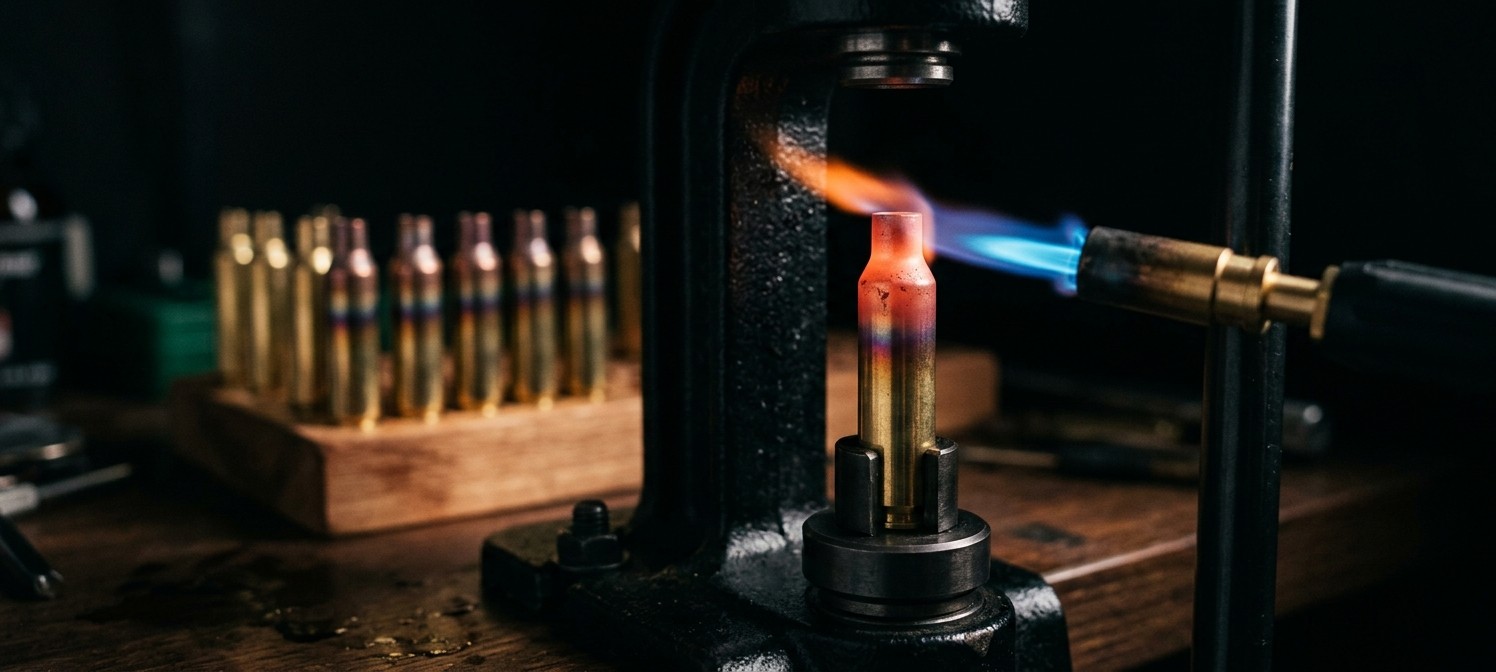
Annealing Brass: What It Fixes and When
Annealing brass restores soft, consistent case necks that harden every time you load. What it fixes, what it does not, and when it is worth it.
-
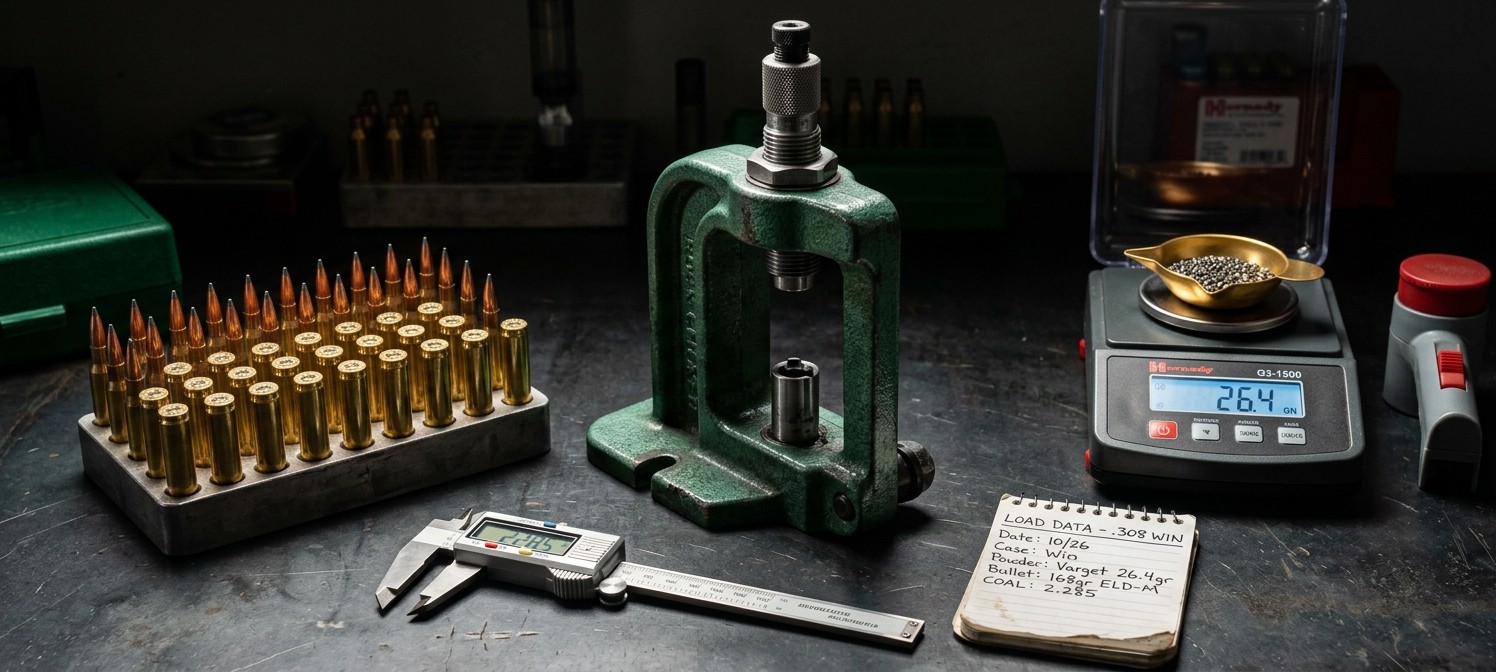
Load Development Without the Voodoo
Load development is wrapped in magic-node folklore that statistics quietly demolish. Here is a plain, repeatable path to an accurate handload.
-
The Rifle as a Complete System
The rifle as a complete system means tuning rifle, optic, ammo, and solver as one unit. Here is where builds fall out of sync, and how to retune them.
-
Laser Range Finders for ELR: Specs That Matter
Laser range finders for ELR shooting: three price tiers, onboard solvers vs external apps, ranging engine differences, and the specs that matter.
-
Running a Ladder Test at Long Range
Shooting a ladder test at distance: charge increments, target setup, reading vertical impacts, separating signal from wind, and the round count it takes.
-
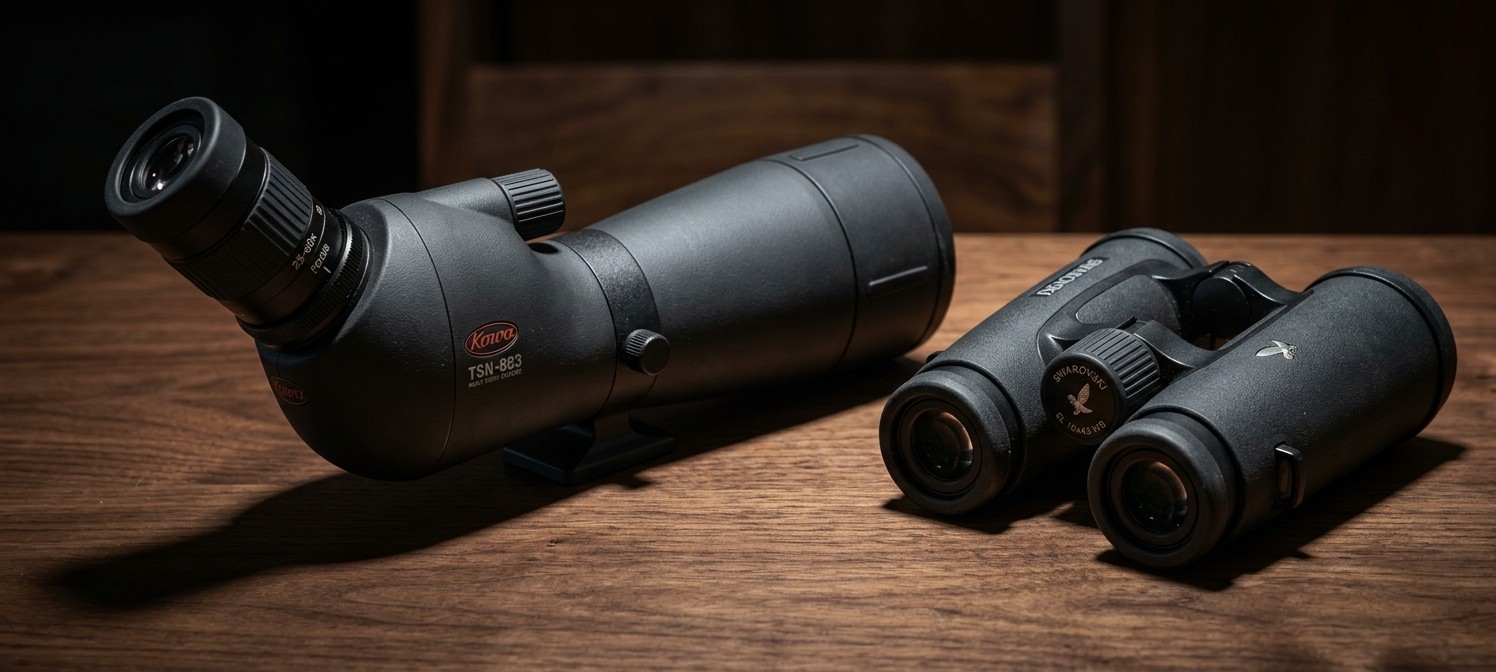
Spotting Scope vs Binoculars for Wind
Spotting scope vs binoculars for calling your own wind: how each reads mirage and trace, and why mirage is the cheapest wind meter you already own.
-
Rifle Barrel Steel and Finish, Compared
Rifle barrel steel and finish, compared: stainless vs chrome-moly, plus nitride, chrome lining, or Cerakote, by accuracy, life, and corrosion.
-
The Clock Method for Wind Calls, Made Simple
The clock method for wind calls turns any wind direction into one multiplier, so you can convert a reading into a hold in your head with no trigonometry.
-
First Focal Plane vs Second Focal Plane
First focal plane vs second focal plane, decided by method: how reticle scaling ties to the way you range and hold, so you pick for your shooting.
-
Recoil Management for Precision Hits
Recoil management for precision is about staying in the scope to spot your own hit. Here are the position and grip tweaks that keep you behind the glass.
-
Neck Tension, the Consistency Knob
Neck tension is the grip the case neck holds on the bullet. Treat it as a consistency knob and it steadies ignition, velocity spread, and groups.
-
Cheek Weld and Comb Height, Set It Right
Cheek weld and comb height decide whether your eye lands behind the scope each shot, and why an adjustable comb matters as much as the barrel.
-
Action Truing and Blueprinting Explained
Action truing and blueprinting square the lugs, threads, and bolt face of a factory rifle. What it corrects, and when it beats buying a new action.
-
Cartridge Case Capacity and Overbore
Cartridge case capacity and overbore: the case-to-bore ratio, what too much powder costs in barrel life and velocity spread, and the efficient sweet spot.
-
Mil Reticle Ranging, Your Backup Rangefinder
Mil reticle ranging turns your hash marks into a backup rangefinder. Learn the mil relation formula with a known target size, for when the laser quits.
-
Ballistic Coefficient Explained: G1 vs G7
Ballistic coefficient explained: what BC measures, why one bullet has both a G1 and a G7 number, and how to pick the model your solver needs.
-
Trigger Weight for Long Range, How Light
Trigger weight for long range: why a crisp 1.5-pound break helps a flinch-free press but can bite you off a bipod, and how to choose a safe field weight.
-
Building a Dope Card From Scratch, No Solver
Building a dope card from confirmed drops at known distances gives you elevation data measured from your own rifle, then trued against a solver later.
-
ELR .30 Cal Choices: 11 Cartridges Compared
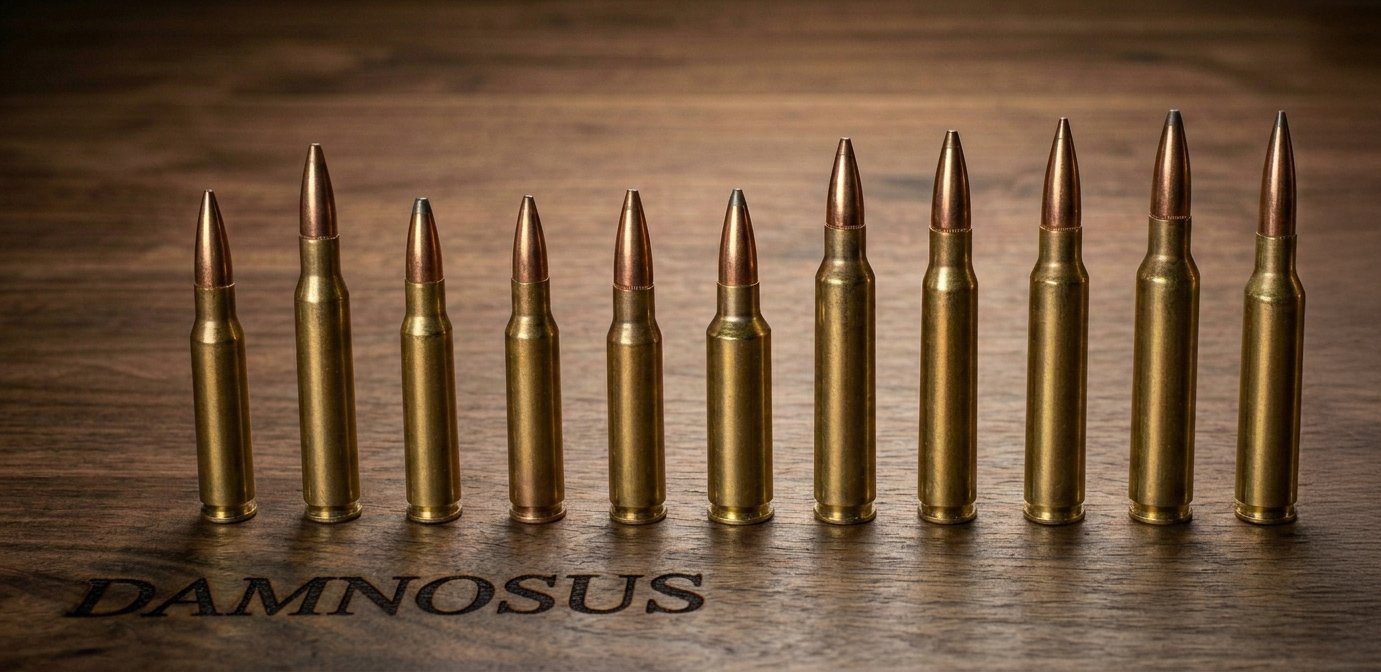
Compare 11 ELR .30 Cal Choices: .308 Win through .300 Lapua Mag. Barrel specs, BC, drop data, and cost breakdowns. Read the full comparison.
-
Keeping Your Dope Card True Year-Round
Keeping your dope card true across seasons: how cold winter air and slower cold-weather velocity change your drops, and how to carry one card, not three.
-
What a Rifle Chronograph Measures
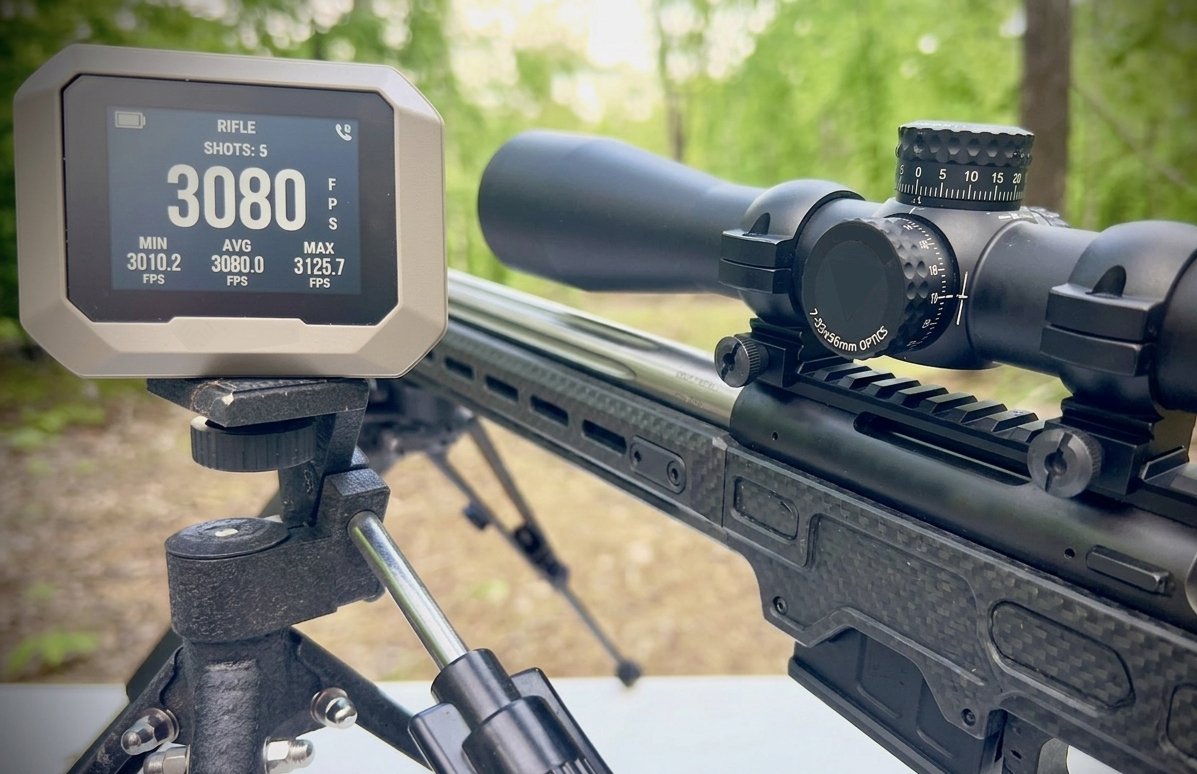
What a rifle chronograph measures and why it matters: muzzle velocity, standard deviation, extreme spread, and the units that read them at long range.
-
Starting out in ELR: A Beginner's Guide
Starting out in ELR? This beginner's guide covers ballistics, wind, chronographs, dope cards, solvers, and why a cheap .223 is the smartest first step.
-
Micarta Chassis: A Rifle Builder's Guide
Micarta Chassis guide: Foundation makes the solid stock, Accuracy Solutions the real ORCA chassis, and WOOX sells Micarta as furniture over aluminum.
-
.22LR Barrel Twist: Length, Rifling, and ELR
.22LR barrel twist, groove count, and length all affect velocity and precision past 200 yards. Polygonal rifling reduces fouling; longer barrels stabilize
-
Precision Shooting Disciplines: A Complete Guide
Benchrest, F-Class, PRS, and ELR shooting disciplines: history, required gear, and how to find matches. Complete guide for precision rifle shooters.
-
What to Look for in a 1-Piece Scope Mount
What to look for in a 1-piece scope mount: tube diameter, ring height, MOA cant, recoil resistance, and the torque specs that keep your zero honest.